Building an Online Store: What Every Artist Needs to Know
In today’s world, having an online store isn’t optional for artists—it’s essential. Whether you’re selling original oil paintings, limited edition prints, or digital downloads, an online storefront allows you to reach collectors worldwide, build a brand, and grow on your own terms. But where do you even begin? Here’s what every artist needs to know to build a successful online store from the ground up.
Start with the Right Platform
There are several platforms artists love for selling art online. The right one depends on your needs, budget, and level of tech comfort. Some of the most artist-friendly platforms include:
· Shopify – Highly customizable, great for scaling
· Squarespace – Beautiful templates, easier setup
· Big Cartel – Simple and affordable for smaller shops
·
· Art storefronts / Fine Art America – Tailored to art sales
Pro tip: Own your own website even if you sell on Etsy or Instagram—it gives you control over your brand and email list.
Prepare Great Product Listings
Your art deserves to be shown at its best. Every listing should include:
· High-quality photos (ideally in natural light, showing scale and detail)
· Clear, compelling titles
· Short but emotional descriptions (share the story or feeling behind the piece)
· Size and medium details
· Price (including whether it’s framed or unframed)
· Shipping or delivery info
People can’t see your work in person, so your online presentation must do the heavy lifting.
Decide What to Sell (and Price It Right)
You don’t have to list everything. Focus on:
· Bestsellers
· Cohesive collections
· Pieces you’re proud to promote
Start with originals or a curated set of products (like prints, postcards, or merch). Make sure prices cover your time, materials, packaging, fees—and profit. Don’t undervalue your work.
Plan for Packaging and Shipping
Having an online store means you’ll need a reliable system for fulfilling orders. Some essentials:
· Safe and professional packaging (especially for original art)
· Shipping calculators or flat rates
· Clear policies for returns, damage, or delays
· A way to track orders (especially internationally)
Art prints can be shipped in tubes or flat mailers. Originals need padding, corner protectors, and often insurance.
Don’t Forget Legal & Financial Basics
Before launching your store, make sure:
· You have a clear refund/shipping/privacy policy
· You’re tracking income for taxes
· You’re using safe payment gateways (PayPal, Stripe, etc.)
· You protect your work with copyright watermarks or statements
It’s your business—treat it like one.
Market Your Store Like You Mean It
Building the store is step one. Now you need to send people there!
· Promote new releases on social media
· Share behind-the-scenes stories of your work
· Build an email list to announce shop updates
· Offer occasional promotions, bundles, or limited drops
Your store should feel like a gallery experience—inviting, personal, and inspiring.
Keep Testing, Tweaking, and Growing
No store launches perfectly. That’s okay!
· Track what sells best and create more of it
· Test different photos, headlines, or pricing
· Ask for feedback
· Update your shop seasonally or with each new collection
Your art and business will evolve—your store can too. Building an online store is one of the best investments you can make as an artist. It gives your work a home and your buyers an easy way to support you. Start simple, stay consistent, and don’t be afraid to show up boldly as the professional you are.
Have questions about setting up your art shop? Drop them in the comments or sign up for my email list—I share practical tips for artists every week.
Whether you’re just starting out or already thriving as an artist, there’s always more to explore and learn. Visit my Resources Page for exclusive free and paid courses, powerful creative tools, and inspiring art business resources — all designed to help you grow, create, and succeed.
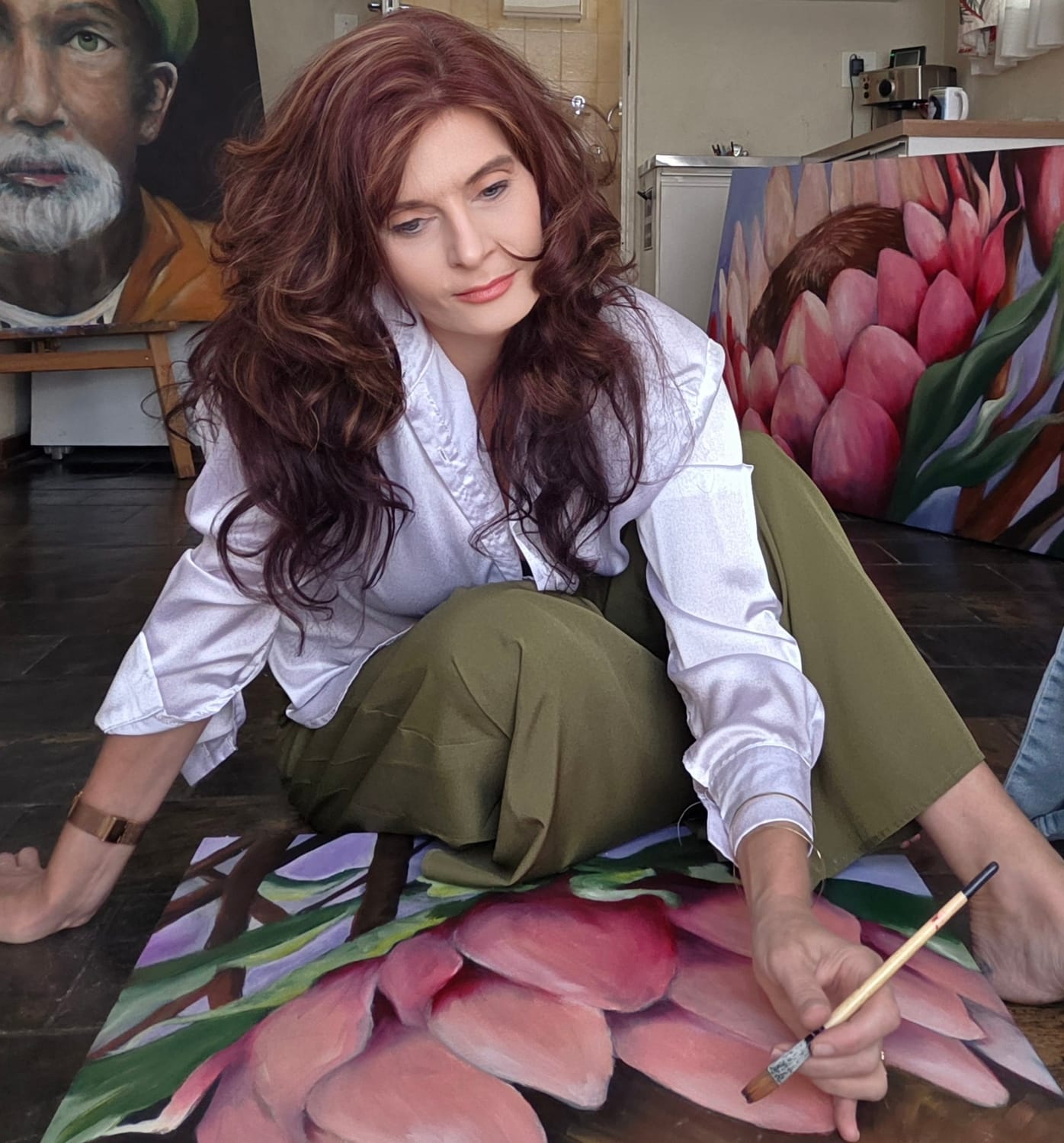
Hi, I’M Cornelia
Step into my studio of original oil paintings, where color, texture, and story meet. Browse the latest works, discover limited prints, and join my list for early-access releases and behind-the-canvas notes.



Subscribe here to receive my Newsletters !
We HATE spam. Your email address is 100% secure
About me
For Artists
General
For clients