The Most Common Mistakes Beginners Make in Oil Painting
(And How to Avoid Them)
Oil painting is a beautiful, rewarding medium — rich in texture, depth, and history. But like any craft, it comes with a learning curve. I’ve made plenty of mistakes along the way (and still do!), but every misstep taught me something valuable. Many beginners squeeze out huge amounts of paint and end up with a thick, muddy mess. Oil paint is powerful — start with less. You can always add more. Pro tip: Thin layers first, thicker ones later. “Fat over lean” helps prevent cracking as your painting dries.
Jumping straight to color can lead to composition problems. A toned canvas and a quick underpainting (monochrome sketch) help you block in values and structure before getting lost in details. Think of it as your painting’s blueprint — don’t skip it.
Working on wet paint can be beautiful (alla prima), but if you’re layering, patience is key. Adding thick layers before the lower ones are dry can lead to cracking or unwanted blending. Give layers time to dry — or work on multiple paintings at once.
Cheap brushes may shed, split, or fall apart. Soft brushes are great for detail, but a stiff hog bristle helps move thicker paint. Know your tools, and don’t be afraid to experiment. Invest in a few good-quality brushes and take care of them. It’s tempting to smooth every transition, but overblending can kill the texture and life of your painting. Let brushstrokes show! Edges can be soft and bold. Embrace texture. Your brushstrokes are part of your voice.
Beginners often try to use every color in the box. But color harmony often comes from using fewer pigments and learning how they mix. Start with a limited palette (like primary colors + white) and expand gradually.
Color is exciting, but value (light and dark) is what makes a painting work. If your values are off, even the most beautiful colors won’t save it. Practice in black and white or with a monochrome palette to train your eye.
Leaving paint in your brushes ruins them fast — especially with oil paints. Clean them thoroughly with solvent or oil soap after each session.
Take care of your tools and they’ll last for years.
Oil paint is forgiving. You can scrape off, paint over, blend out. But fear stops so many artists from trying bold things. Remember: every painting is a learning experience. Everyone makes mistakes. That’s how we grow. The trick is to keep showing up, brush in hand, and keep learning with each painting. Oil painting takes time, but it rewards those who stay with it.
Stay tuned for more of my mistakes.... (I’ve made them all!)
Whether you’re just starting out or already thriving as an artist, there’s always more to explore and learn. Visit my Resources Page for exclusive free and paid courses, powerful creative tools, and inspiring art business resources — all designed to help you grow, create, and succeed.
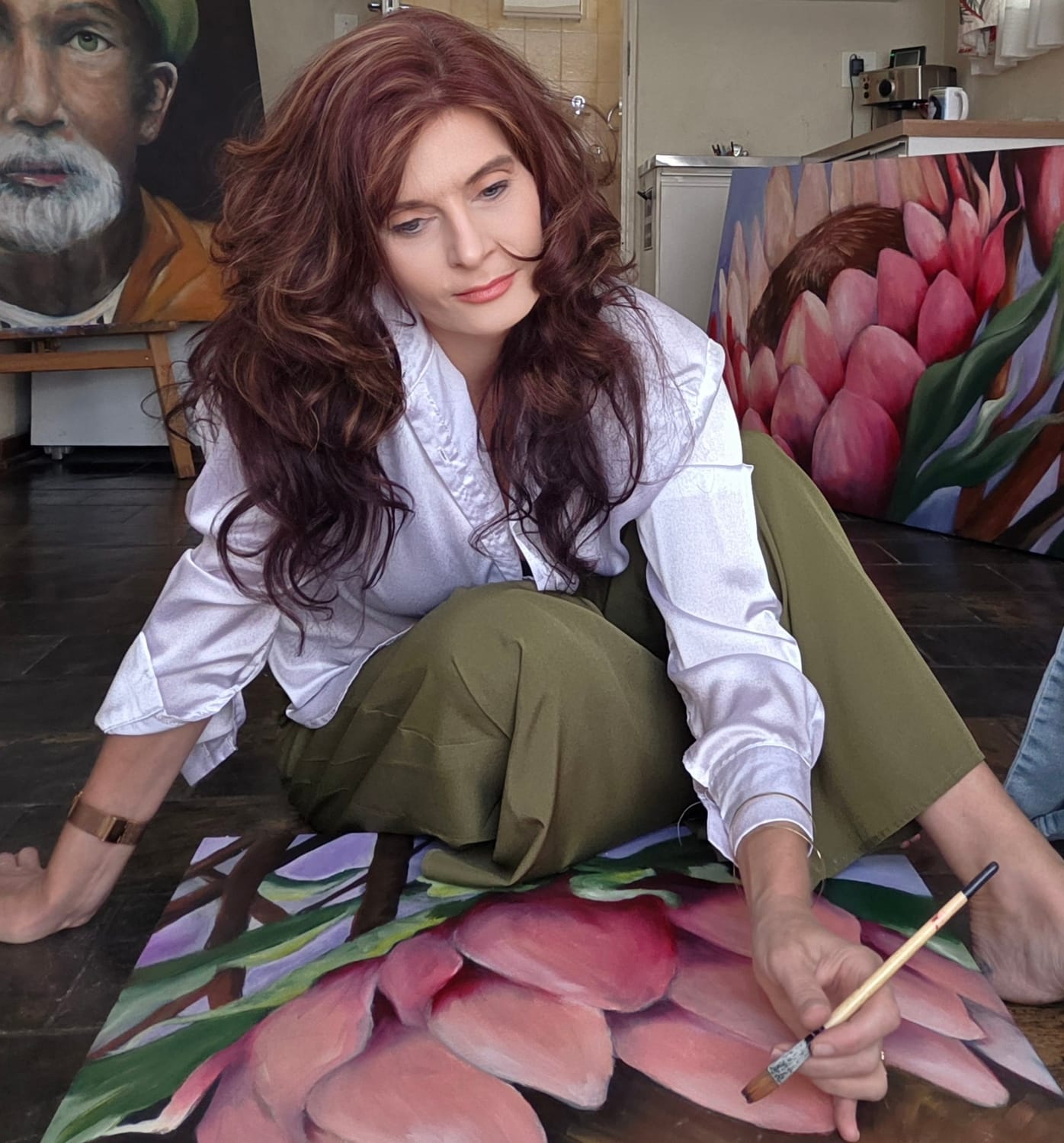
Hi, I’M Cornelia
Step into my studio of original oil paintings, where color, texture, and story meet. Browse the latest works, discover limited prints, and join my list for early-access releases and behind-the-canvas notes.



Subscribe here to receive my Newsletters !
We HATE spam. Your email address is 100% secure
About me
For Artists
General
For clients