The Power of Hashtags: How to Use Them to Grow Your Art Audience
Hashtags might seem like tiny details, but when used strategically, they can make a huge impact on how many people see—and fall in love with—your art online. For artists, hashtags are not just a way to organize content—they’re a tool to get discovered, connect with collectors, and grow your audience organically. Here's how to harness their power without feeling overwhelmed.
Every time you post your artwork on Instagram or TikTok, it’s one piece of content in a sea of millions. Hashtags act like signposts—they help the algorithm understand your content and show it to the right people.
For example:
· #WildlifeArt might show your painting to animal lovers
· #OilPainter or #OriginalOilPainting reaches collectors who care about medium
· #SouthAfricanArtist connects you to people looking for local creatives
Used wisely, hashtags can dramatically increase your reach without paying for ads.
Types of Hashtags Artists Should Use
The best strategy is to mix different types of hashtags:
Niche/Specific
· #OilPortraits
· #ElephantArt
· #BotanicalIllustration
These help you connect with people searching for exactly what you do.
Medium/Style
· #AcrylicPainting
· #InkDrawing
· #ImpressionistArt
They show how you work and attract fans of your technique.
Location-Based
· #CapeTownArtist
· #SouthAfricanCreatives
· #ArtCollectorsZA
This helps you get discovered locally—especially for in-person shows or commissions.
Descriptive/Theme-Based
· #MoodyLandscapes
· #FeminineEnergy
· #OceanInspiredArt
They create emotional or visual connections.
Trending or Community Tags
· #SupportLocalArtists
· #ArtCollectorsOfInstagram
· #ArtistOnTikTok
· #SmallBusinessLove
These keep you part of active conversations online.
How Many Hashtags Should You Use?
· Instagram allows up to 30 hashtags, but 8–15 well-chosen ones tend to perform better.
· On TikTok, you’re limited by the caption length, so choose a few strong tags.
· On Pinterest, hashtags are less important than keywords in your title and description.
Tip: Don’t copy-paste the same set of hashtags every time. Rotate them to avoid looking spammy.
Where to Place Your Hashtags
· On Instagram, place hashtags in the caption or first comment—both work.
· On TikTok, put them directly in the caption to influence the algorithm.
· On Pinterest, focus on writing keyword-rich descriptions instead of hashtag-heavy posts.
Wherever you place them, make sure the caption still feels personal and engaging.
Research Before You Post
Not all hashtags are created equal. Some are so big that your post will get buried instantly, while others are too obscure to get traction.
Aim for a mix of:
· Low volume (under 50k posts) – Easier to rank in
· Mid volume (50k–500k) – Niche but active
· High volume (1M+) – Potential viral reach
Explore what other artists in your niche are using. Save hashtag sets in your notes app for quick access.
Track What’s Working
Watch your analytics:
· Which posts get more reach?
· Which hashtags bring in the most views or saves?
· Are people finding you via Explore or hashtag search?
Adjust your strategy based on what works—not what’s trending.
Create a Branded Hashtag
This is a great long-term strategy. Examples:
· #ArtByYourName
· #JaneSmithStudio
· #ColorfulWorldsSeries
Encourage fans to use your branded tag when they buy or share your work. Over time, it becomes a searchable gallery of your creations and social proof. Hashtags aren’t magic—but they are powerful. When used thoughtfully, they can help your art show up in the right feeds, reach the right people, and create real connections. So next time you post a new painting, don’t just drop it and go—pair it with hashtags that help your ideal audience find it.
Whether you’re just starting out or already thriving as an artist, there’s always more to explore and learn. Visit my Resources Page for exclusive free and paid courses, powerful creative tools, and inspiring art business resources — all designed to help you grow, create, and succeed.
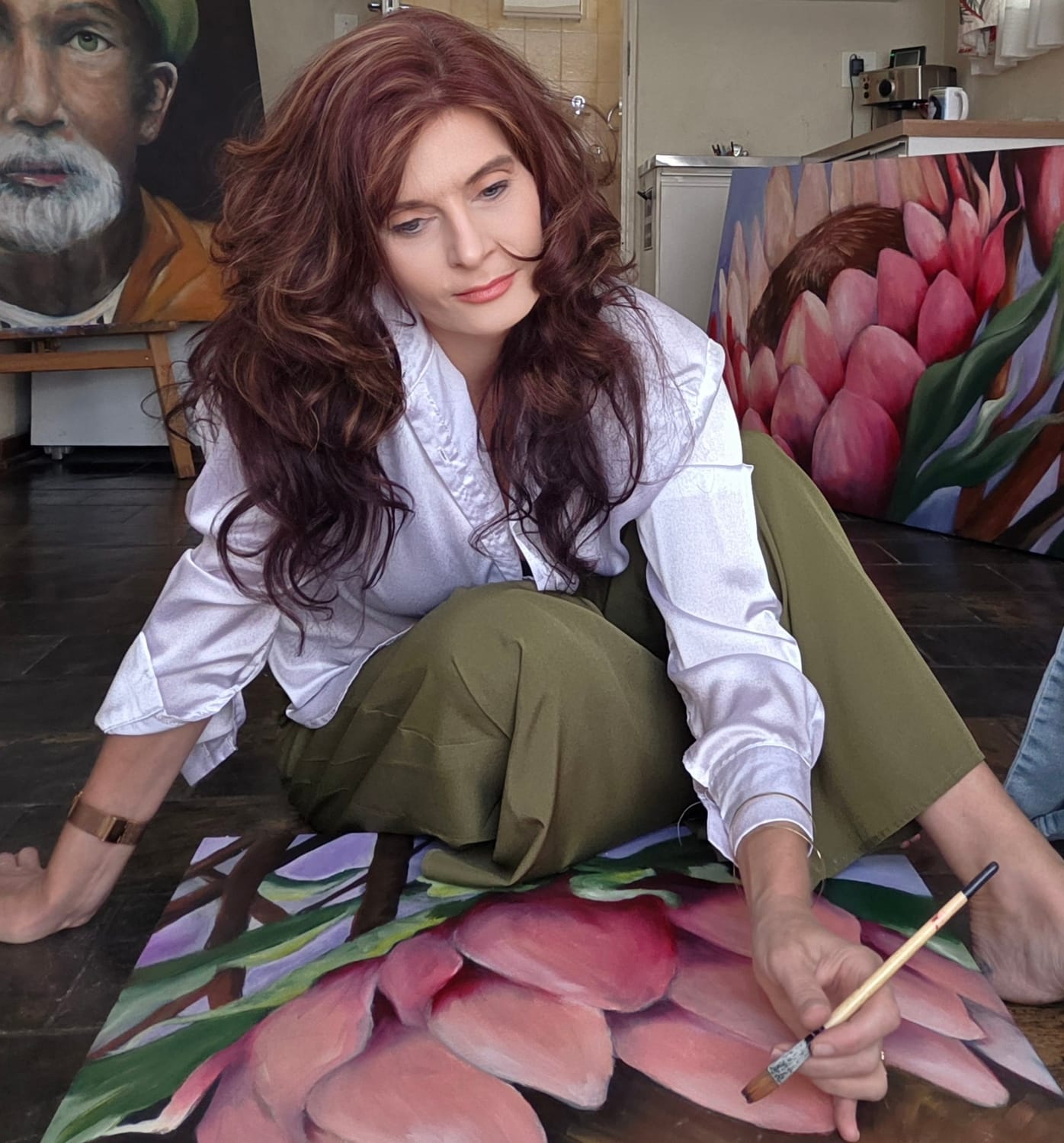
Hi, I’M Cornelia
Step into my studio of original oil paintings, where color, texture, and story meet. Browse the latest works, discover limited prints, and join my list for early-access releases and behind-the-canvas notes.

Subscribe here to receive my Newsletters !
We HATE spam. Your email address is 100% secure
About me
For Artists
General
For clients