SEO Tips for Artists: How to Get Found Online
You’ve built a beautiful website, filled it with your best work, and maybe even set up an online store—but where is the traffic? If you're wondering why more people aren’t finding your art online, the answer might be three little letters: SEO. Search Engine Optimization (SEO) is the practice of making your website and content easier for search engines (like Google) to find—and it’s one of the most powerful tools an artist can use to attract collectors, students, or fans organically, without paid ads.
Here’s how to make SEO work for your art business.
Know What People Are Searching For
SEO starts with keywords—the words and phrases people type into search engines. Think like your ideal customer:
· Instead of searching “oil on canvas,” they might search “original elephant oil painting”
· Instead of “landscape collection,” they might search “colorful landscape wall art for living room”
Every page on your website should have a clear, keyword-rich title and meta description. These are what show up in search results. Instead of:
Title: Home | Jane’s Art
Description: Welcome to my site.
Use something like:
Title: Wildlife Oil Paintings by Jane Smith | Original Art for Sale
Description: Shop original wildlife paintings, nature-inspired art, and custom oil portraits by South African artist Jane Smith.
Search engines can’t “see” images—they read the text behind them.
Every image you upload should include alt text describing the artwork. For example:
Alt text: “Original oil painting of a lion resting under an acacia tree, 40x60cm, by wildlife artist Jane Smith”
Not only does this help SEO, but it also makes your site more accessible to people using screen readers.
Name Your Images Strategically
Don’t upload files named “IMG_2345.jpg.” Rename them before uploading with relevant keywords.
For example:
wild-elephant-oil-painting-jane-smith.jpg
Search engines do scan file names, and it gives your content one more way to be discovered.
Instead of lumping all your art into one gallery page, give each piece its own product or portfolio page with a title, description, and keywords.
Example:
Title: “Blue Heron in Flight – Original Oil Painting by Jane Smith”
Description: “A serene 60x90cm oil painting of a blue heron soaring over a misty riverbank. Inspired by early morning walks near the estuary.”
This helps search engines understand and index each work individually.
SEO is a long game—it can take weeks or months to see major results. But it’s one of the few marketing tools that keeps working even when you’re asleep. Keep updating your site regularly, stay active on your blog, and make small improvements over time. You don’t need to be an SEO expert to get found online—you just need to be strategic, clear, and consistent. Think like your collectors, speak their language, and show up with searchable content.
Ready to Take Your Art to the Next Level?
Whether you’re just starting out or already thriving as an artist, there’s always more to explore and learn. Visit my Resources Page for exclusive free and paid courses, powerful creative tools, and inspiring art business resources — all designed to help you grow, create, and succeed.
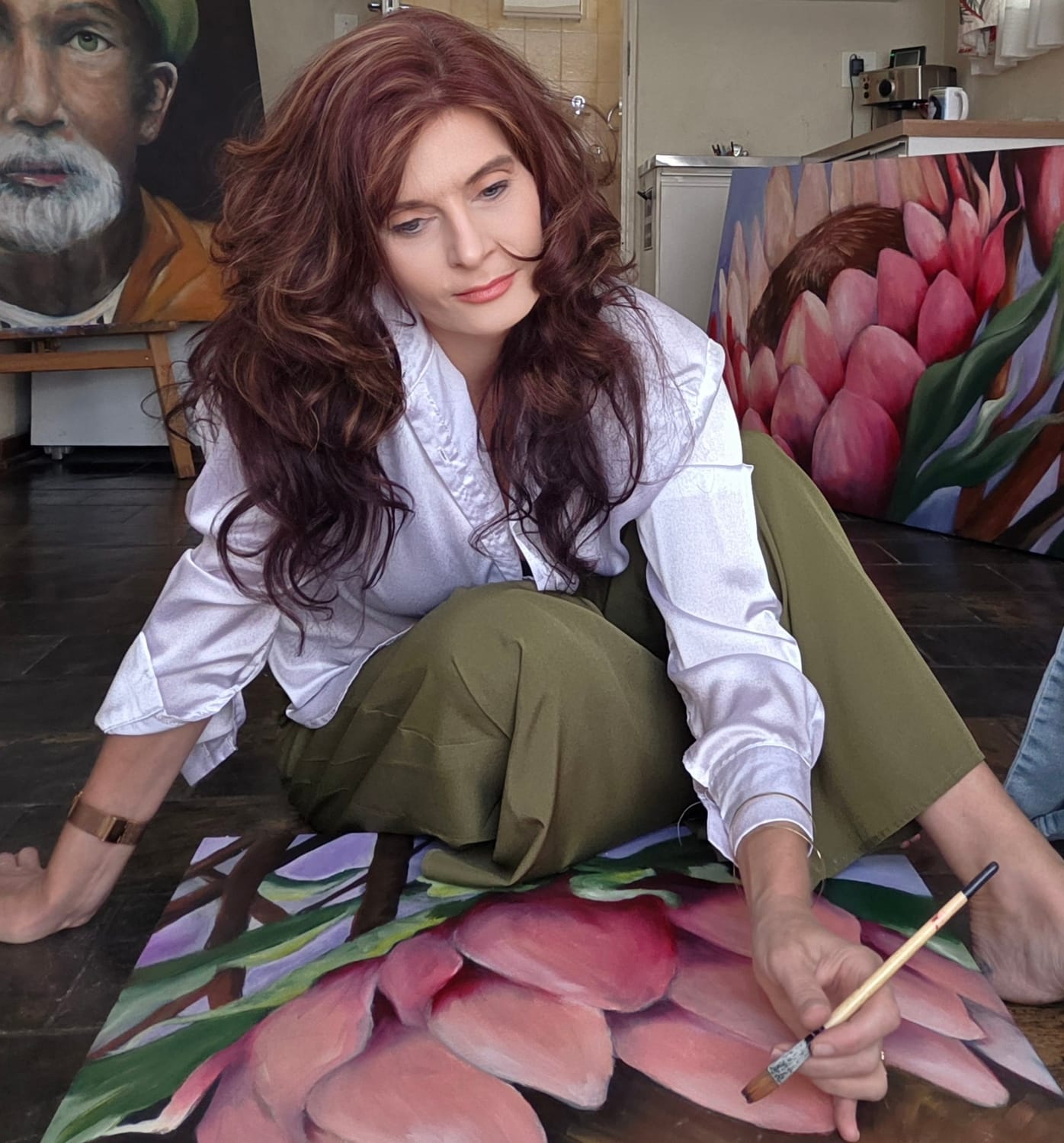
Hi, I’M Cornelia
Step into my studio of original oil paintings, where color, texture, and story meet. Browse the latest works, discover limited prints, and join my list for early-access releases and behind-the-canvas notes.


Subscribe here to receive my Newsletters !
We HATE spam. Your email address is 100% secure
About me
For Artists
General
For clients